Ganesha: The First Among Gods
The theological depth and iconographic wisdom behind the world's most beloved deity
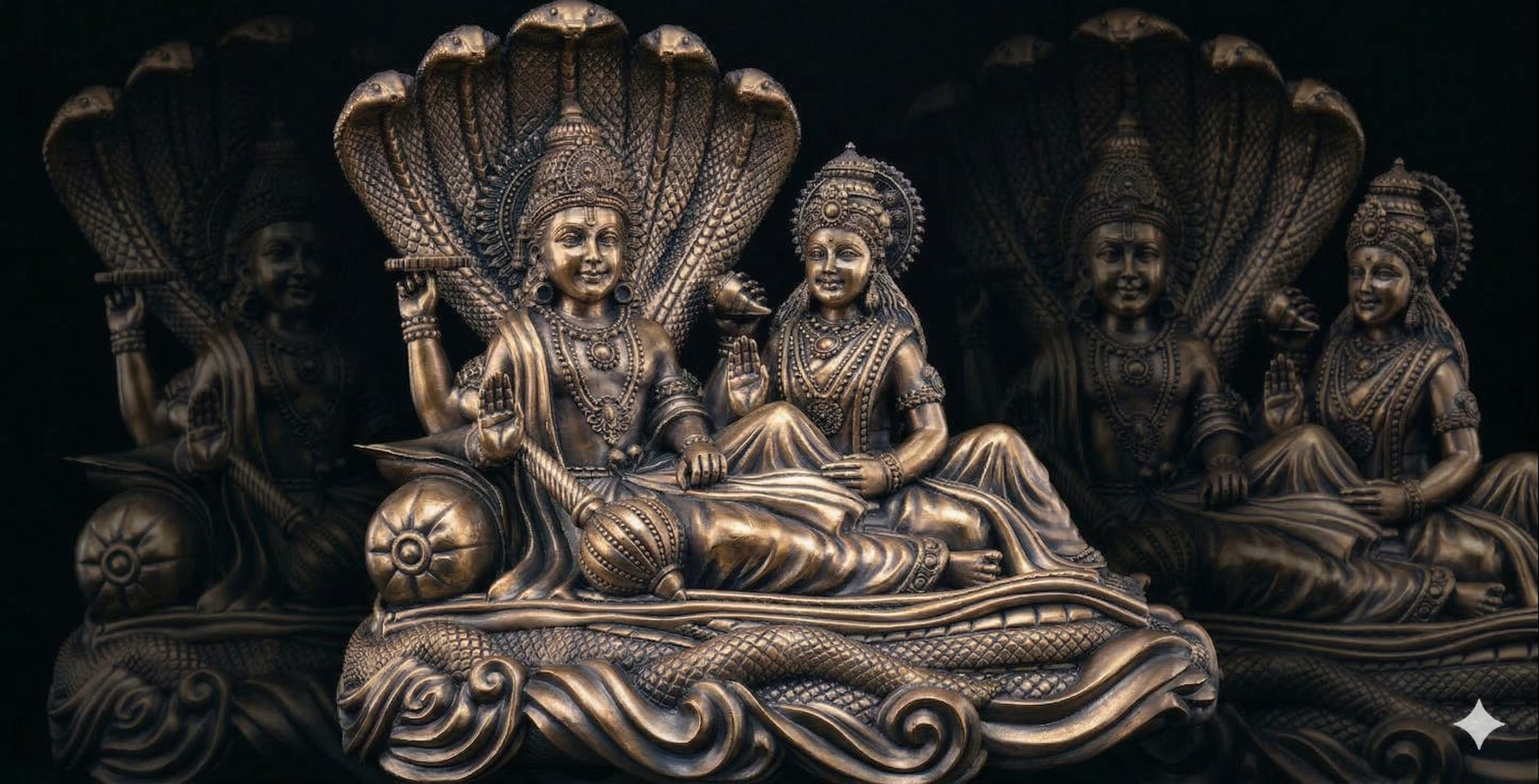
Ganesha — Ganapati, Vighnaharta, Vinayaka — is invoked before every sacred beginning in Hinduism. Whether a business launch, a wedding, the start of a new academic year, or the installation of a murti in a new home, Ganesha is called upon first. This is not mere tradition; it is cosmic logic.
The elephant head represents boundless wisdom, memory, and the ability to see beyond the ordinary. The large ears hear all prayers; the small eyes focus inward; the trunk, which can uproot a tree or pick up a needle, represents mastery over subtlety and strength alike. Every anatomical feature of Ganesha's iconography is a profound teaching.
The modaka (sweet dumpling) in his hand represents the reward of sadhana — spiritual practice leads to sweetness. The broken tusk, which he used to write the Mahabharata when Vyasa dictated it, represents the willingness to sacrifice a part of oneself for a higher purpose.
Ganesha's vehicle — the mouse — is as significant as the deity himself. The mouse represents the ego, always gnawing at the fruits of life. That Ganesha rides the mouse means he has mastered the ego and uses it as a vehicle, not as a master.
In Arihant's crafting tradition, a Ganesha murti is always completed with particular reverence. Our artisans follow the Shilpa Shastra proportions for Ganesha's murti, which specify exact measurements from crown to base, the angle of the trunk, and the position of the hands. A left-turning trunk is Vamavarta — more commonly placed in homes. A right-turning trunk is Dakshinavarta — more rare and considered more powerful.
Ready to bring divinity home?
Explore our collection of handcrafted silver, gold and silver-plated murtis.
Browse Collections