Which Deity for Which Room? A Vastu Guide
Traditional Vastu Shastra recommendations for placing murtis and sacred idols in your home
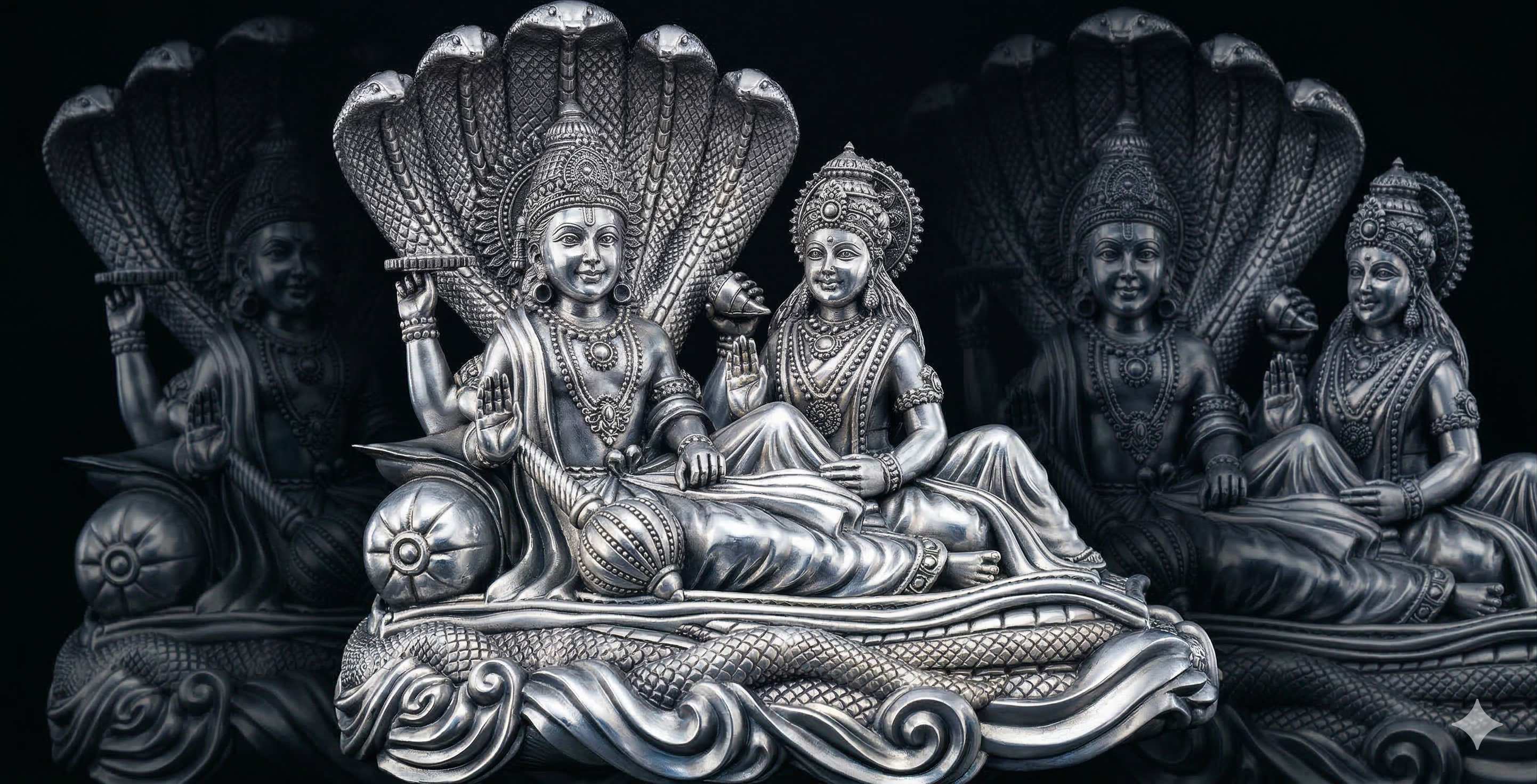
Vastu Shastra — the ancient Indian science of spatial arrangement — offers specific guidance on which deities are most auspiciously placed in which directions and rooms of the home. Understanding this framework helps ensure that your divine murtis radiate maximum positive energy in your living space.
The northeast corner (Ishanya) of any home is considered the most sacred and is the ideal location for the primary puja room. This direction is associated with the divine and with water. An idol of your kula devata (family deity) or Ganesha is most appropriately placed here.
Lord Ganesha should ideally face north or east from the puja space. His back should never be to the door of the prayer room, as this is considered inauspicious. Ganesha should be the first deity one's eye falls upon entering the mandir.
Goddess Lakshmi is best placed facing north, the direction of Kubera (the deity of wealth). A Lakshmi murti facing north from your puja space is believed to draw abundance towards your home. She should never be placed alone — either with Ganesha, or with Lord Vishnu/Narayan.
Shiva, as Mahadev, is unique: his Shivalinga or murti may face any direction, but many Vastu experts recommend east or west. A Shiva murti should ideally not be placed in the bedroom — his energy is considered too intense for a space of rest. Lord Hanuman, by contrast, is traditionally placed facing south, as Hanuman faces Lanka (south) from the mainland, and is believed to ward off negative energies from that direction.
Ready to bring divinity home?
Explore our collection of handcrafted silver, gold and silver-plated murtis.
Browse Collections